
Busk: Required Warehouse Screenings Were Not Integral to the Employees’ Principal Work
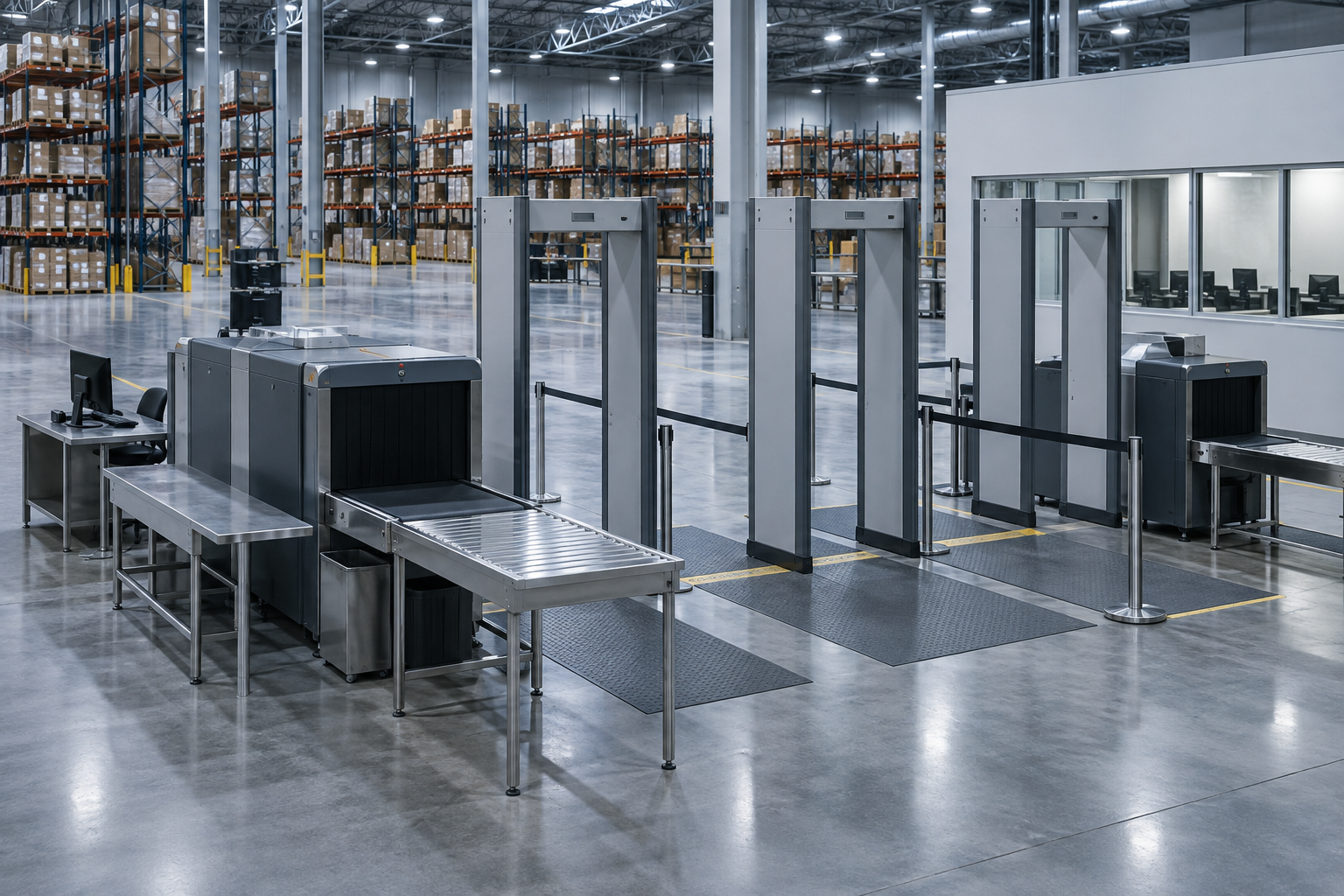
In Integrity Staffing Sols., Inc. v. Busk, 574 U.S. 27, 35–37 (2014), the U.S. Supreme Court held that the warehouse workers’ postshift security screenings were not compensable under the FLSA. The screenings were neither the principal activities the workers were hired to perform nor integral and indispensable to those activities. The unanimous decision reversed the Ninth Circuit’s broader approach based on employer requirements and benefit. It did not decide the scope of California’s independent wage-order definition of hours worked.
The claim arose from a required exit process
Integrity Staffing supplied warehouse workers who retrieved products and packaged them for shipment. The employees alleged that waiting for and undergoing antitheft screenings consumed roughly 25 minutes per day. They argued that the screenings benefited the employer and could have been shortened by adding screeners or staggering shift endings. See the official U.S. Reports opinion at 29–31.
The district court dismissed the claim for failure to state a claim; the Ninth Circuit reversed in relevant part. That pleading posture matters: the Supreme Court resolved the legal compensability question presented by the alleged screening process, not a factual dispute over a time study or a damages award.
The Portal-to-Portal Act narrowed the federal inquiry
The Court examined 29 U.S.C. § 254(a), which excludes specified preliminary and postliminary activities from FLSA liability. Principal activities include tasks integral and indispensable to the work for which the employee is employed. The Court explained that the activity must be intrinsic to that work and one the employee cannot dispense with to perform it. See Busk, 574 U.S. at 33.
Earlier examples showed why context matters: changing and showering in a toxic battery plant and sharpening knives for meatpacking could be indispensable to productive work. A task’s position before or after a shift was not the only consideration. Its relationship to the actual principal activity controlled.
Being required by the employer was insufficient
“The integral and indispensable test is tied to the productive work that the employee is employed to perform.”
Busk, 574 U.S. at 36.
The Court stated this at 36. It reasoned that the warehouse workers were hired to retrieve and package goods, not undergo searches, and that the employer could eliminate the screenings without impairing the employees’ ability to perform that productive work. A rule based merely on employer compulsion or benefit would sweep too broadly and undermine the statutory exclusions.
The employees’ claim that management could reduce the waiting time did not change that legal classification. The Court treated that efficiency argument as insufficient to establish compensability under the federal test. Justice Sotomayor’s concurrence, joined by Justice Kagan, emphasized the relationship between preliminary or postliminary activities and the productive work, rather than converting the holding into a rule for all required tasks.
Why California readers must keep Frlekin separate
Frlekin v. Apple Inc., 8 Cal. 5th 1038, 1056–57 (2020), addressed mandatory exit searches under California Wage Order 7’s control standard. It held that the time before it was compensable even when the searched personal items were voluntarily brought to work. The official California opinion supplies the separate state-law analysis.
Thus, Busk is controlling on the federal question it decided, while a California claim requires its own wage-order and factual review. An employer should not cite Busk as a complete answer to a state claim, and an employee should not assume Frlekin resolves every industry, exemption, or factual variation without examining the applicable rule.
Practical implications for the search-time record
For employees, document the principal job tasks, search requirements, waiting interval, timeclock placement, and restrictions on leaving. The California exit-search guide explains the evidence to preserve. Distinguish time spent waiting for inspection from productive work performed while waiting, if the record shows any.
Our employment practice page describes the broader wage-dispute context. MCX Legal can evaluate the state and federal theories together. The useful lesson from Busk is to identify the legal test first and then connect each factual interval to it, rather than treating every employer-required activity as legally identical.
Questions readers ask
Was the decision about California wage law?
No. Busk decided the federal FLSA and Portal-to-Portal Act issue. California’s wage-order analysis is separate.
Did the Court find the searches optional?
No. The searches were required. The Court held that employer compulsion alone did not satisfy the federal integral-and-indispensable test.
Assess the federal and California wage rules separately
Mission X Trial Lawyers can review the records and legal issues described here. Call (888) 611-4683 or email office@mcxlegal.com.