
SIJS Deferred Action: Build the State, Federal, and Removal Records Separately
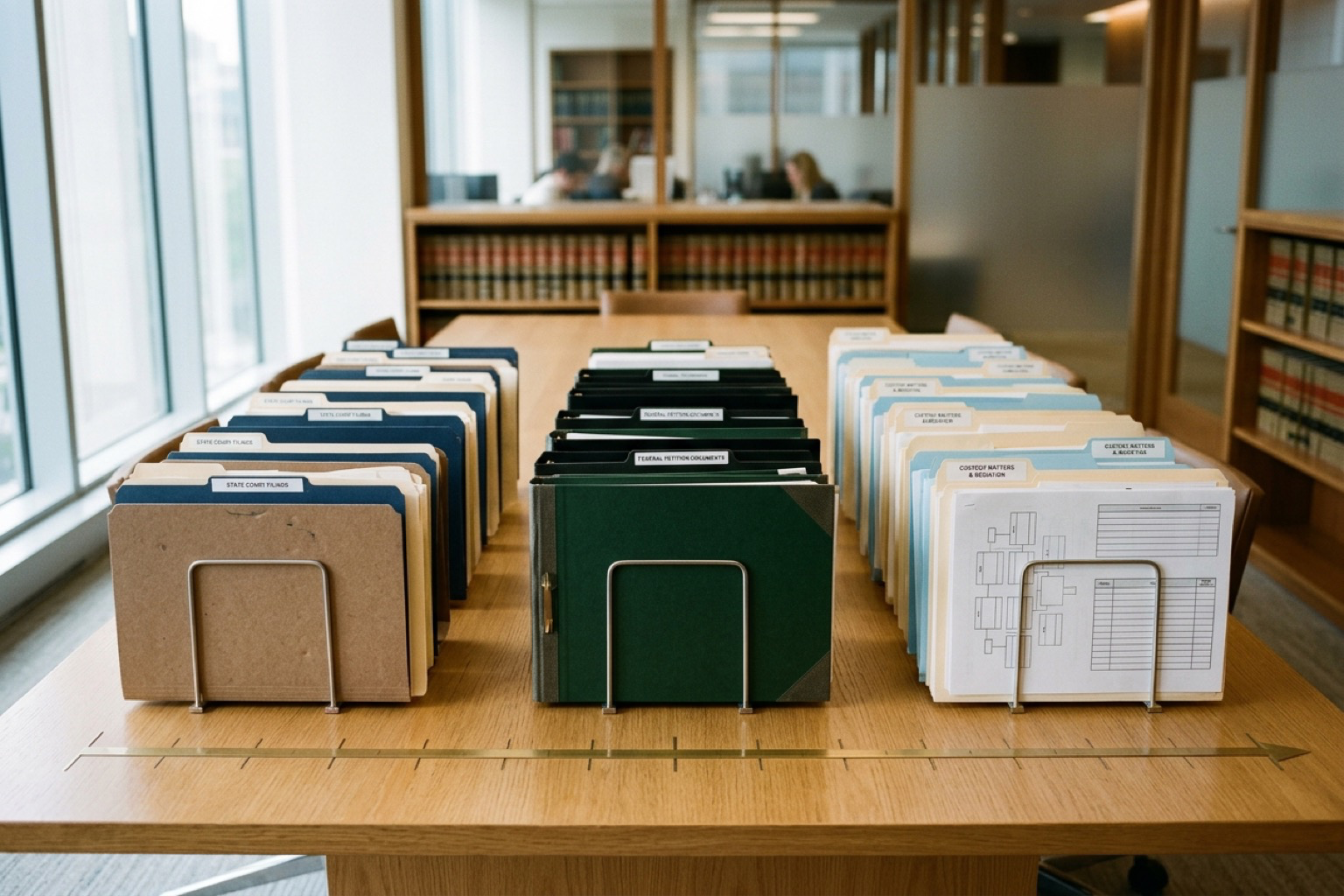
SIJS cases move through two systems. A state court makes predicate findings under state law; USCIS decides the Form I-360 and federal consent requirements. Detention or removal adds a third track. A reliable file keeps all three visible.
SIJS arises under 8 U.S.C. § 1101(a)(27)(J) and the Form I-360 process. It is not one of the provisional ICWC classes.
Preserve the complete state predicate order
Keep the petition, supporting declarations, service record, findings, and signed order. Confirm that the order addresses dependency or custody, reunification with one or both parents, and best interest under the law that gave the state court authority.
Track the federal petition independently
Record the I-360 receipt date, age and marital-status evidence, requests for evidence, approval, visa-availability issues, and any adjustment filing. State findings do not themselves grant federal status.
Identify the deferred-action source
Attach the USCIS notice and validity dates. Do not infer current deferred action from SIJS approval alone, especially where policy has changed or later litigation affects the governing framework.
Do not plead SIJS as an ICWC class
ICWC’s provisional classes concern specified U-, T-, and VAWA-related groups. SIJS cases may present analogous notice, revocation, and due-process issues, but they require SIJS authorities and their own agency record.
Match relief to the threatened loss
If removal would frustrate the ability to maintain SIJS or seek adjustment, explain that mechanism with documents. A request for return, release, or pre-revocation process must identify the status quo that the court can lawfully restore.
Build the record before choosing the remedy
Mission X Trial Lawyers can review the records and legal issues described here. Call (888) 611-4683 or email office@mcxlegal.com.