
Hurt in the Parking Lot After Your Shift? Preserve the Route, Timing, and Reason You Stayed
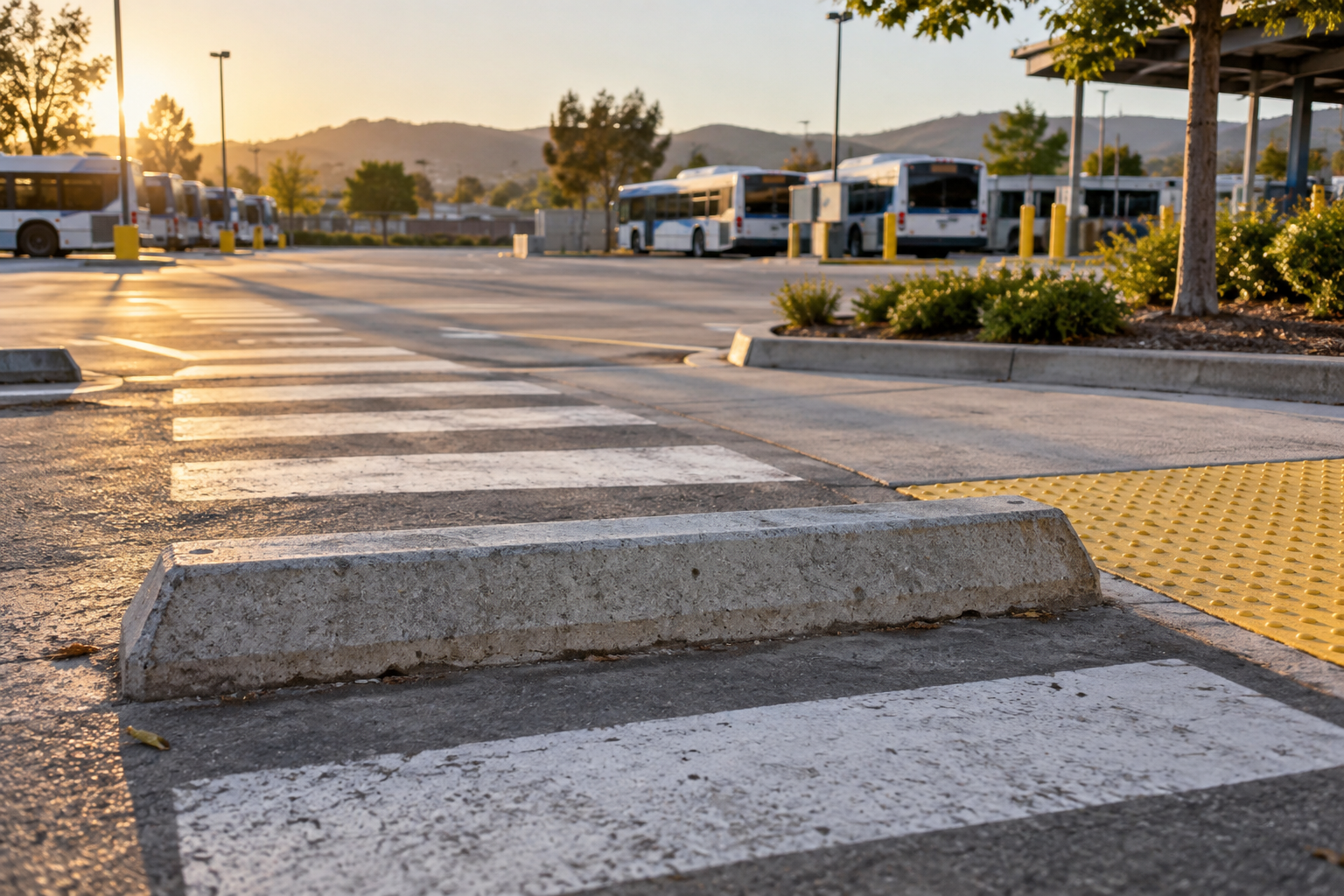
A fall after clocking out is not automatically outside California workers’ compensation. If it happens in an employer-designated parking area while you are leaving work or making an ordinary, limited personal stop, the employment connection may continue. The useful first question is not simply whether the timecard says “off duty.” It is where you were, why you remained there, what the employer permitted, and what you were doing when the injury occurred.
Start by reporting the injury accurately and preserving those facts. Do not describe every parking-lot accident as covered, and do not abandon a claim merely because a supervisor says the shift had ended. The premises rule and the personal-comfort doctrine address different parts of the analysis; medical causation and the benefits owed still require their own evidence.
Separate the parking boundary from the activity
Cal. Lab. Code § 3600 supplies the basic employment-injury requirements. California decisions generally distinguish the ordinary commute from travel on the employer’s premises. An assigned parking lot can matter even when the worker has not yet reached the workstation or has finished the shift. A nearby public curb, shopping-center lot, and designated employee lot do not necessarily present the same facts.
Identify the actual arrangement. Who directed workers to park there? Was a permit required? Did the employer maintain the lot, reserve spaces, control access, or prescribe a walking route? A worker may know the practice without knowing who holds legal title. Preserve the instruction or permit instead of guessing about ownership. Photograph the boundary, entrances, signs, and path from the workplace when lawful and safe.
The activity is a separate question. A brief, ordinary conversation, getting water, or another personal-comfort activity can remain incidental to employment when reasonably contemplated by it. A substantial departure for an unrelated purpose can produce a different result. Time alone is not a universal stopwatch test: the reason for the interval and the surrounding practice matter.
Reconstruct the interval before the fall
Write down when the shift ended, when you returned equipment, when you reached the car, and when the fall happened. If you completed a work task in the car, describe that task honestly and identify any supporting record. If you waited to discuss a personal matter, say so. Omitting an inconvenient fact can make an otherwise understandable sequence harder to evaluate.
In the Castillo Case Library analysis, a bus driver remained in the employer’s lot, did work while waiting, spoke with a coworker, and then tripped. The WCAB considered the location, sequence, and known practice of after-shift conversations. That is a record-specific illustration, not a rule that any injury within a certain number of minutes is compensable.
For example, a worker walking toward a car after a ten-minute conversation presents a different evidentiary picture from a worker who leaves the property, completes an errand, and returns hours later for a private gathering. This comparison identifies questions for investigation; it does not decide either claim without the complete record.
Preserve evidence before the scene changes
- Record the precise location, direction of travel, lighting, surface condition, and object involved.
- Save parking instructions, shift schedules, time records, and messages that explain why you were still there.
- Identify witnesses to the fall separately from witnesses who know the parking or conversation custom.
- Ask promptly for preservation of relevant surveillance footage; identify the camera area and time window.
- Keep the injury report and claim paperwork, together with medical records describing the mechanism and symptoms.
Photographs can help show a wheel stop or painted walkway, but they cannot establish every element by themselves. Note when each photograph was taken and whether the scene had changed. Do not trespass, access restricted employer systems, or stage a reconstruction as though it were contemporaneous evidence. If you cannot safely obtain an item, tell counsel what exists and who may hold it.
Keep coverage and medical proof distinct
A ruling that the going-and-coming rule does not bar a claim is not necessarily a final award for every alleged body part. In Castillo, the Board resolved the employment-connection issues while deferring which body parts sustained industrial injury and other issues. Medical evaluation still mattered.
Describe the fall and each affected area consistently to the treating provider. Preserve earlier medical records that may bear on causation rather than assuming a preexisting condition decides the claim. Our California claim-process guide explains how reporting, investigation, and benefit decisions fit together. If a medical dispute develops, the QME and AME guide addresses that separate process.
What to do next for a disputed parking-lot claim
Bring a short chronology, a simple map, the employer’s parking instructions, the claim decision, and your treatment records to an evaluation. A useful chronology distinguishes what you personally saw from what a coworker later told you. Mark uncertain times as estimates. The goal is to let the reviewer test the premises connection, the nature of any deviation, and medical causation without filling gaps with assumptions.
MCX Legal can review a disputed parking-lot injury with that evidence in view. Use the contact page to arrange a discussion and identify the claim stage; retain the originals and provide copies through the firm’s agreed document process.
Questions readers ask
Does clocking out end workers’ compensation coverage?
Not necessarily. The location and activity still matter, including whether the worker remained on employer premises while leaving or engaging in an incidental activity.
Is a short personal conversation always covered?
No. The employer’s premises, customary practice, reason for remaining, and any substantial departure must be considered together.
What if I do not know who owns the lot?
Preserve what you do know: parking instructions, permits, signs, access rules, and the route used. Do not substitute a guess about legal ownership for evidence.
Review the route and timing of your parking-lot injury
Mission X Trial Lawyers can review the records and legal issues described here. Call (888) 611-4683 or email office@mcxlegal.com.