
Early Arrival, Voluntary Coffee Duties, and the Limits of Special Missions: General Insurance Co. v. WCAB (Chairez)
Re-examining the Threshold of Special Missions and Off-Premises Commutes under California Workers' Compensation Law
Facts and Procedural Posture
The applicant, Mr. Chairez, worked a scheduled shift beginning at 8:00 a.m. As a matter of personal custom, he routinely arrived at his employer's premises significantly early. The employer provided supplies for brewing coffee on site, and as the first employee to arrive each morning, Chairez habitually volunteered to start the coffee pot before his formal work duties commenced.
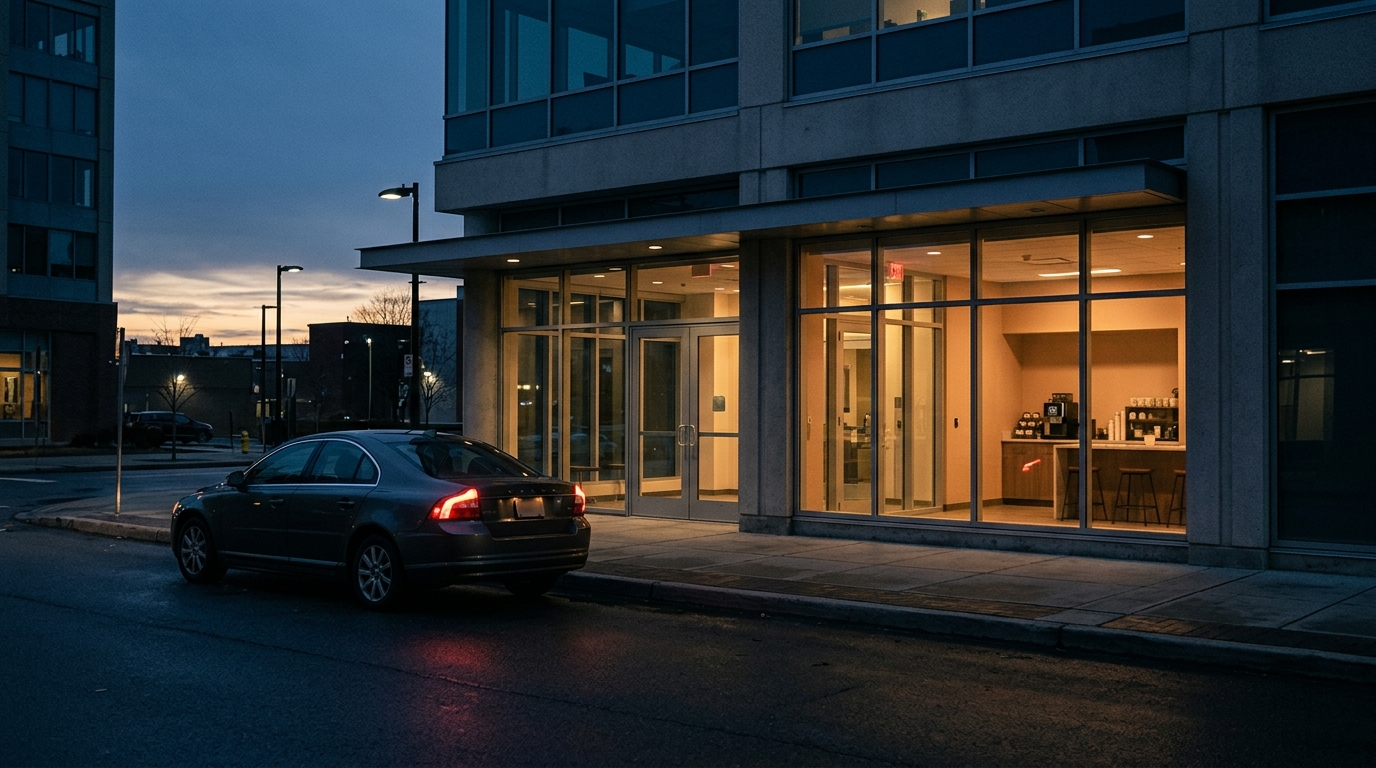
On the morning of the accident, during a fuel shortage, Chairez parked his personal vehicle on a public street outside the employer’s facility at approximately 7:15 a.m. As he stepped from the car, he was struck by a passing automobile and killed.
The Workers' Compensation Appeals Board (WCAB) initially granted an award of compensation, concluding that Chairez's early arrival to prepare coffee conferred a benefit upon the employer, thereby taking the incident out of the going and coming rule via the special mission exception. The employer and its insurer petitioned for a writ of review, and the California Supreme Court granted review to address whether voluntary early arrival and customary hospitality tasks alter the non-compensable nature of a standard commute.
Exact Holding
The California Supreme Court annulled the WCAB’s award of compensation. The Court held that the going and coming rule precluded recovery because Chairez was engaged in an ordinary off-premises commute on a public street at the time of the collision.
The Court determined that preparing coffee was a voluntary, customary act performed for personal and workplace convenience, rather than an extraordinary, employer-directed service or special mission. Because the employer did not specifically request or require Chairez to arrive at 7:15 a.m. or perform a special errand, the commute remained non-compensable.
Record Checklist for Claims Examiners and Defense Counsel
To properly analyze potential special mission exceptions following Chairez, defense practitioners and claims professionals must assemble and review specific evidentiary records:
- Time and Attendance Records: Written shift schedules, timecards, and electronic badge logs establishing official work hours versus actual arrival times.
- Employer Directives and Express Instructions: Contemporaneous written or testamentary evidence regarding whether the employee received specific orders, requests, or assignments to perform duties outside standard hours.
- Job Descriptions and Duty Assignments: Formally documented job duties to verify if routine workplace courtesies, such as preparing refreshments, fall within designated job responsibilities.
- Location and Premise Surveys: Scene diagrams, public property maps, and parking agreements establishing whether the injury occurred on public streets or employer-controlled property.
- Witness Statements: Statements from supervisors and coworkers confirming the voluntary nature of early arrivals and the lack of employer control over pre-shift activities.
Limits of the Ruling
The holding addresses an ordinary commute followed by a voluntary pre-shift activity and an accident on a public street. It does not decide a case involving an employer-directed extraordinary errand or an injury on employer-controlled premises. Those settings require their own facts and governing authority.
The practical dividing line is employer direction. Evidence that a supervisor requested an early arrival, assigned a task outside ordinary hours, controlled the route, or expected completion before the shift can materially change the analysis. Conversely, a longstanding personal routine does not become a special mission merely because coworkers or the employer receive an incidental benefit. Counsel should therefore develop the origin of the activity, who controlled its timing, and whether refusal would have carried a workplace consequence.
Build the evidentiary record before the dispute hardens
Mission X Trial Lawyers can analyze the proof, allocation, and litigation posture described here. Call (888) 611-4683 or email office@mcxlegal.com.